We offer a range of conversion of older audio & video formats to digital.
Pricing:
Audio cassette tapes:
Up to 3 tapes £12 each
4-10 tapes £10 each
11-25 tapes £8 each
26-50 tapes £7 each
51 and up £6 each
DAT tapes: £20 each, minimum order 2 tapes
Minidisc: Extract contents maintaining folder structure & all tag information to folder, if artwork is available and correct this can be added.
£10 per disc, minimum order 4 discs
VHS Video cassette (price based on 3 hour tape):
£30 per tape, minimum order 2 tapes.
CD ripping: £5 per CD, minimum order 8 CDs
Vinyl: £20 per LP, £15 per 12″ / EP
Additional costs:
If you prefer your files on a USB please note there is an additional cost. We can provide basic USB A sticks that are just generic or right up to the fastest current standards from the most reliable manufacturers. We prefer to use SANDISK for reliable results. Prices start at £10 per USB drive (8GB)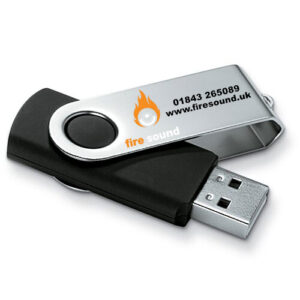
The process: call us on 01843 265029 or use the contact form to discuss your requirements. Once price and time of job agreed (rush jobs may have an additional cost for quick turnaround), send the tapes to our studio. We send an acknowledgment of receipt e-mail, then start creating your digital library based on your criteria. Call to discuss if you are unsure of your preferred format. Once complete, we invoice you and once payment is received you receive a download link, or your USB stick is packaged along with your tapes to return. Your invoice includes the shipping cost to return your tapes.
Turnaround times: Our standard turn around time per order (small quantities up to 10 tapes) is 2 weeks minimum. This may be longer depending on workload. You will be advised of estimated lead times.
Formats:
We record the media in at maximum quality, then convert. the raw audio or video to your preferred format.
Audio formats:
Wav or AIF file (24 bit / 48khz / stereo) or MP3 (24 bit / 48khz / 320kbops / stereo ) or lossless (FLAC)
Video formats:
There are many combinations of video formats, here is a list of the most used, but not exhaustive and these can be swapped around and combined in various ways. Please tell us your preferred format.
- MP4 (MPEG-4 Part 14): The most common standard for web, phone, and streaming; excellent compatibility, low file size, high quality.
- MOV (QuickTime): Apple’s default format, excellent for professional editing but can have large file sizes.
- MKV (Matroska): Open-source container that supports multiple audio/subtitle tracks, widely used for high-definition media.
- WebM: Created by Google for internet browser streaming; highly optimized for web performance.
- AVI (Audio Video Interleaved): Oldest format (Microsoft), compatible with older devices but less efficient compression.
- WMV (Windows Media Video): Microsoft format designed for streaming; works best within Windows.
- MXF (Material Exchange Format): Professional format for TV broadcasting and professional video delivery.
- 3GPP/3G2: Older formats specifically for mobile devices.
- H.264 (AVC): The industry standard; highly compatible, best for streaming and general use.
- H.265 (HEVC): Successor to H.264, offers 4K/8K quality at half the file size, higher processing power needed.
- AV1: Modern, royalty-free, and highly efficient codec for future 4K/8K internet streaming.
- VP9: Google’s open codec for WebM, often used by YouTube.
- ProRes (Apple): High-quality codec for video editing.
- DNxHD/DNxHR (Avid): High-quality editing codecs for professional post-production.
- FLV/F4V: Older Adobe Flash formats, largely obsolete.
- MPEG-1/MPEG-2: Early standards for Video CDs and DVDs.
- AVCHD: High-definition format for cameras.
- RAW: Uncompressed data from cameras, often used in cinema
NOTES:
Tapes can be very fragile, may be damaged, twisted, stuck together, have mildew or mould or moisture inside, or may just be damaged, or internal tape components degraded. We are as careful as possible with tapes and if we think the tape may unspool or get caught in the machine mechanism due to degradation we will inform you before we attempt transfer if there are any condition concerns. We do not offer any guarantee that your transfer will be successful and cannot be held responsible if your tape unwinds or is damaged in the transfer process. In all cases we are as careful as possible and if in doubt, manually wind and rewind tapes all the way through. If a tape appears fine, we will fast forward and rewind the tape all the way through in all cases prior to transfer which normally shows if there are any faults like the tape being wound too tight.